
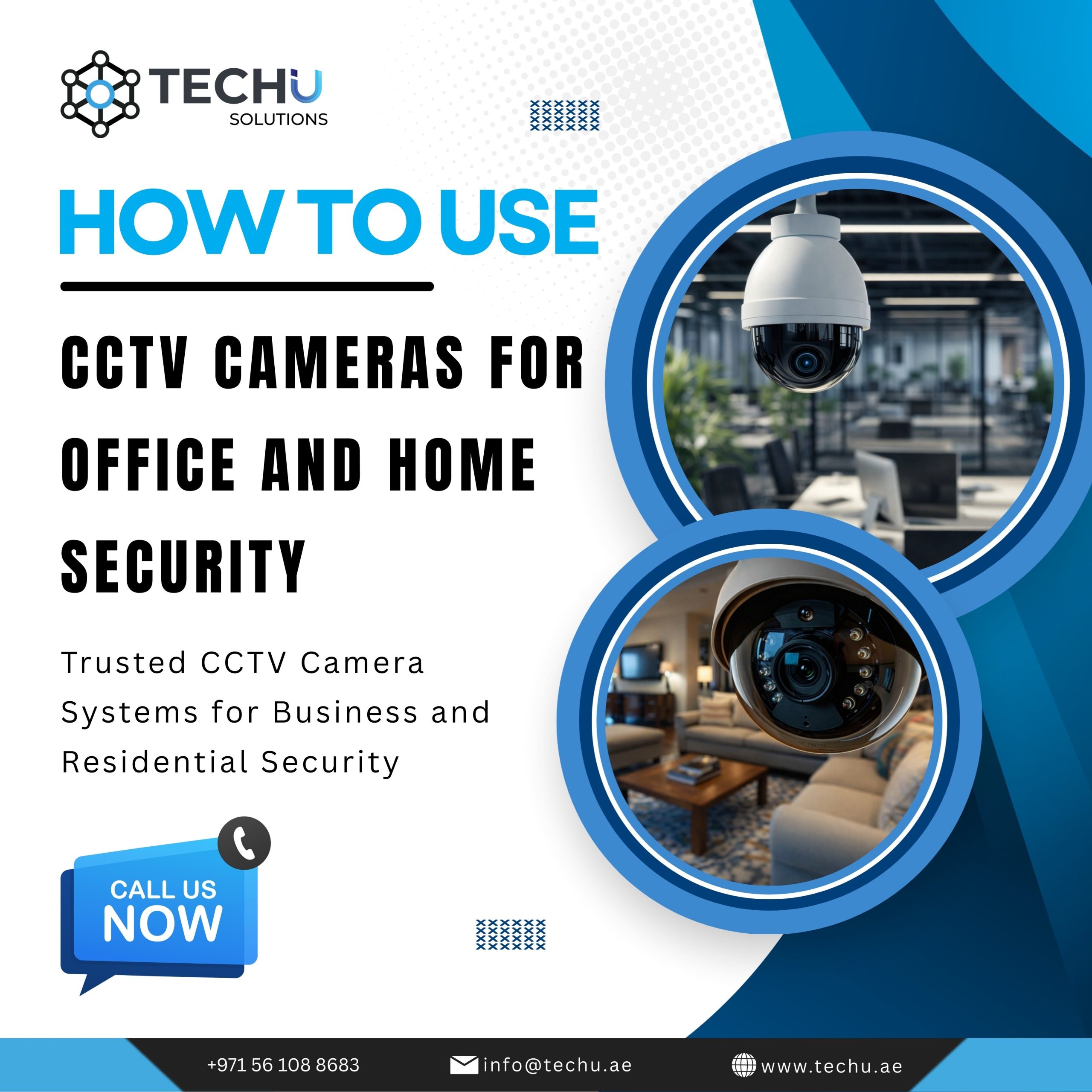
How to Use CCTV Cameras to Secure Your Office and Home
Security is not a luxury in the modern world, it is a need. CCTV (Closed-Circuit Television) cameras are now one of the best instruments for improving security, whether you’re protecting your family at home or your company’s assets at work. Installing CCTV systems has never been simpler or more economical because to the expanding selection of features and solutions available. This is a helpful advice on using CCTV cameras to secure your house and place of business.
1. Recognize your needs for security
Assessing your individual needs should come first. Do you want to keep a watch on deliveries and guests, monitor staff, or discourage intruders? Common emphasis areas for homes are driveways, garages, backyards, and entrances. Think about server areas, storage spaces, cash registers, and entry points in offices.
Knowing what you want to keep an eye on can help you choose how many and what kinds of cameras you need.
2. Select the Appropriate Camera Type
CCTV cameras come in different varieties, such as:
1.Dome cameras are inconspicuous, cover a large area, and are perfect for indoor applications.
2.Bullet cameras are ideal for long-range and outdoor observation.
3.Flexible monitoring is made possible by PTZ cameras’ pan, tilt, and zoom capabilities.
4.Wireless cameras are simpler to set up and offer remote viewing.
5.IP cameras: These cameras record in high definition and can be watched online.
If you’re a homeowner searching for the best CCTV camera for home, look for models with high-definition video, night vision, motion detection, mobile app access, and cloud storage. These features help you keep your property secure and make monitoring easier.
3. Careful Camera Positioning
Placement is crucial. Install cameras in driveways, blind spots, access and exit points, and close to valuables. Cameras placed close to cash registers and storage spaces assist firms in keeping an eye on questionable activity. Make sure indoor cameras can catch a wide area and are positioned high to prevent manipulation.
Steer clear of aiming cameras straight at light sources as this can result in glare and worse video quality.
4. Assure Appropriate Backup and Storage
For future use, CCTV footage needs to be safely archived. You have a choice between:
An analog system’s DVR (Digital Video Recorder)
2. IP systems using Network Video Recorders (NVRs)
3. Cloud storage for safe and convenient distant backup
Depending on your demands, make sure the system has adequate storage to hold at least 15 to 30 days’ worth of video.
5. Turn on Alerts and Remote Access
You can see live feeds at any time and from any location with the help of PC and mobile apps available for modern CCTV systems. To get immediate notifications in the event that suspicious behavior is detected, set up motion alerts. This is particularly useful if you manage several office locations or are away from home.
6. Frequent upkeep and security upgrades
Make sure the lenses on your cameras are clean and free of obstructions. To avoid vulnerabilities, update firmware or software and perform routine system functionality checks. To prevent unwanted access to your feeds, encrypt your Wi-Fi and change your default passwords.
In conclusion
CCTV cameras are a dependable method of keeping an eye on activities at your house or place of business and a strong deterrent against crime. You may make the environment safer for all parties by selecting the appropriate equipment, positioning it carefully, and keeping your system maintained. For long-term security and peace of mind, it’s a tiny investment.